The FIFA World Cup is football’s largest stage. Every four years, the world’s top players compete not just for the championship, but also for a place in football history. While winning the World Cup is the ultimate goal, scoring goals on the sport’s biggest stage frequently transforms great players into legends.
Thousands of goals have been scored throughout the tournament’s history, but only a few players have consistently reached the back of the net against the world’s best international teams. These players didn’t just score goals; they produced when it counted the most, in elimination rounds, semifinals, and even World Cup finals.
As the 2026 FIFA World Cup approaches, supporters are once again gazing at the all-time scoring rankings, hoping that long-held records will finally be broken. With players like Lionel Messi and Kylian Mbappé among the greatest scorers in tournament history, the race for football immortality is as captivating as ever.
Why World Cup Goals Are More Important Than Club Goals.
Throughout history, football has produced legendary goal scorers. Players like Cristiano Ronaldo, Lionel Messi, Pelé, and Ronaldo Nazário have scored hundreds of goals in their careers. Goals at the World Cup, on the other hand, hold a special significance.
Unlike club football, where players compete on a weekly basis, World Cup possibilities are restricted. Most players are lucky enough to compete in three or four tournaments throughout their careers. A poor tournament performance, injury, or inability to qualify can have a significant impact on a player’s World Cup legacy.
Because of this scarcity, each World Cup goal is worth something. A single strike can change a country’s history, yet a consistent scoring record throughout numerous tournaments can catapult a player into the ranks of football greats.
1. Miroslav Klose (Germany) scored 16 goals.
Miroslav Klose, one of football’s most underappreciated strikers, leads the all-time World Cup scoring list. Unlike many renowned goal scorers, Klose was not recognised for flashy abilities or amazing dribbling. Instead, he established his name by strategic positioning, a tireless work ethic, and amazing consistency.
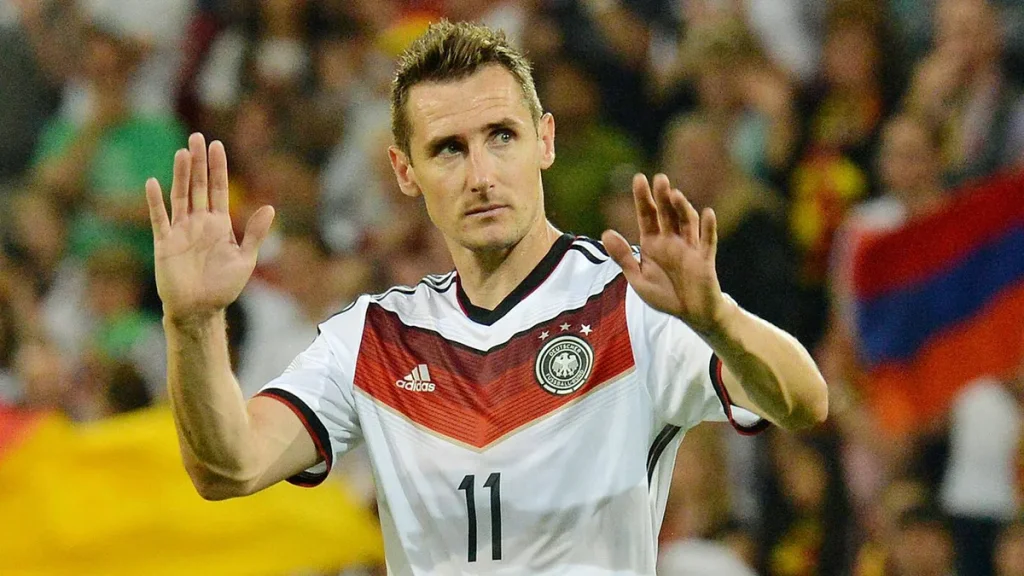
Klose competed in four World Cups between 2002 and 2014. His scoring streak began with five goals in the 2002 tournament and extended through Germany 2006 and South Africa 2010, where he maintained a remarkable scoring record. By the time Germany qualified for the 2014 World Cup in Brazil, Klose needed only a couple goals to challenge Ronaldo’s long-held record.
The momentous occasion occurred during Germany’s semifinal versus Brazil. Klose scored his 16th World Cup goal, surpassing Ronaldo to become the tournament’s all-time top scorer. The achievement was made all the more noteworthy because it happened during Germany’s epic 7-1 triumph over the host country.
Klose won the World Cup in 2014, capping off one of the most successful international careers in football history. His 16-goal record remains the standard that all future goal scorers must strive to meet.
2. Ronaldo Nazário (Brazil) – 15 Goals
Before Klose broke the record, Ronaldo Nazário held the World Cup. Ronaldo is widely recognised as one of the best attackers of all time, combining explosive pace, amazing finishing ability, and technical skill.
His World Cup career truly took off in 1998, when he helped Brazil reach the final. However, his defining moment came four years later, in the 2002 World Cup. After returning from significant knee ailments that threatened his future, Ronaldo put up one of the best individual tournaments ever witnessed.
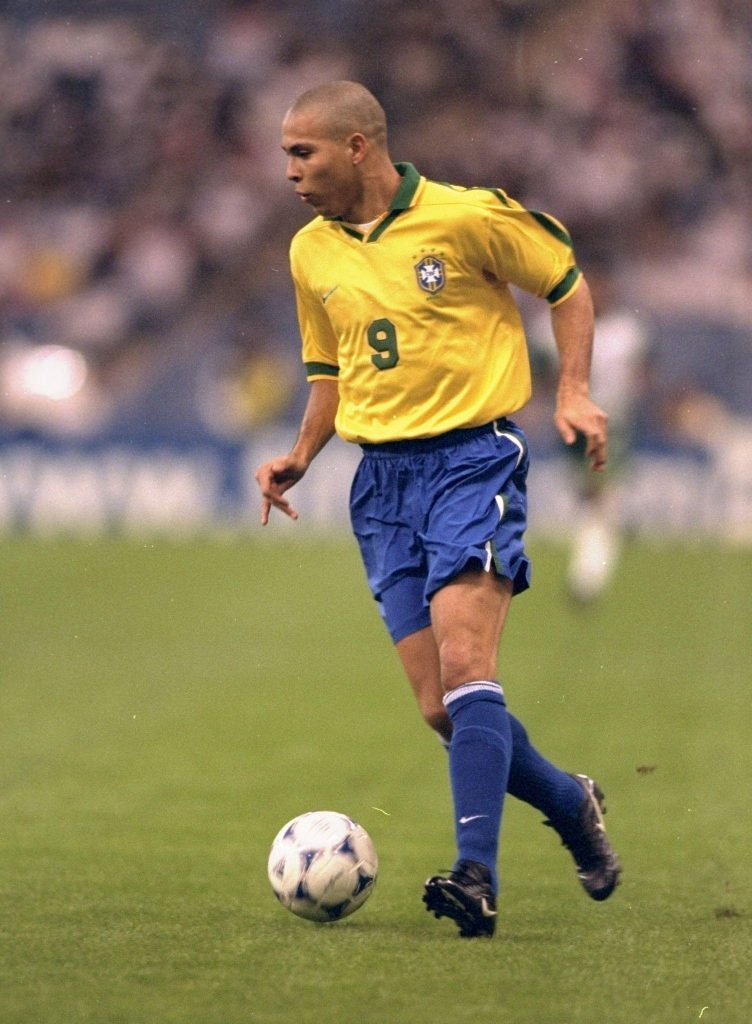
He scored eight goals during the campaign, including both in the final against Germany. These goals earned Brazil its fifth World Cup triumph and established Ronaldo’s status among football’s all-time greats.
By the time he departed from international football, Ronaldo had 15 World Cup goals. For nearly a decade, many assumed the record would never be broken.
3. Gerd Müller (West Germany) – 14 goals
Gerd Müller, also known as “Der Bomber,” is one of the most prolific goal scorers in football history. Unlike modern attackers, who frequently contribute across the pitch, Müller’s primary goal was straightforward: score goals.
His World Cup influence was remarkable. In the 1970 tournament, he scored ten goals and earned the Golden Boot. His ability to find space in packed penalty areas rendered him nearly hard to defend.
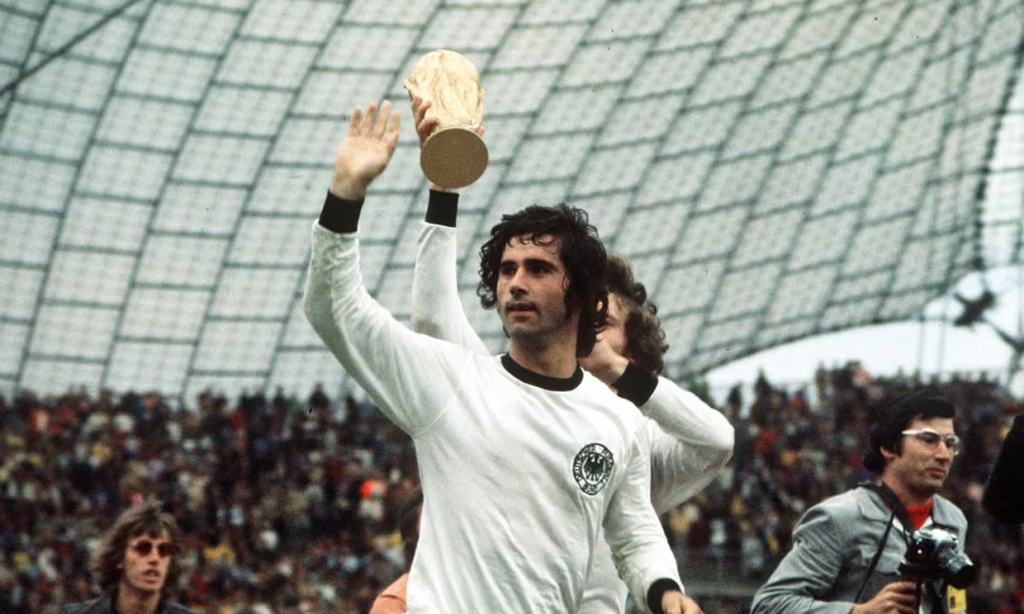
Müller scored four more goals four years later, including the game-winning goal in the 1974 World Cup Final against the Netherlands. That strike sealed the title for West Germany and contributed to his illustrious career.
Müller’s achievement is notable since he scored 14 goals in only two World Cups, exhibiting an efficiency that few players have achieved.
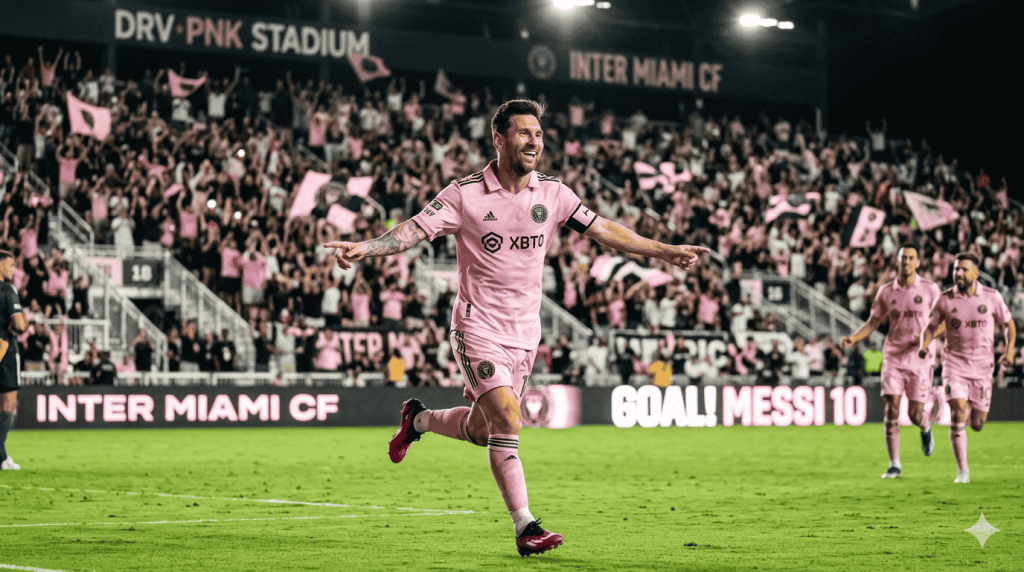
4. Lionel Messi (Argentina) has 13 goals.
For many football fans, Lionel Messi’s World Cup journey is the ultimate example of tenacity and redemption.
For years, critics claimed that Messi’s international accomplishments did not equal his amazing club success. Despite dominating European football, the World Cup remains elusive.
That changed in Qatar 2022. Messi had one of the best World Cup campaigns of any captain, leading Argentina to victory while scoring important goals throughout the tournament. His two goals in the final versus France were career-defining moments.
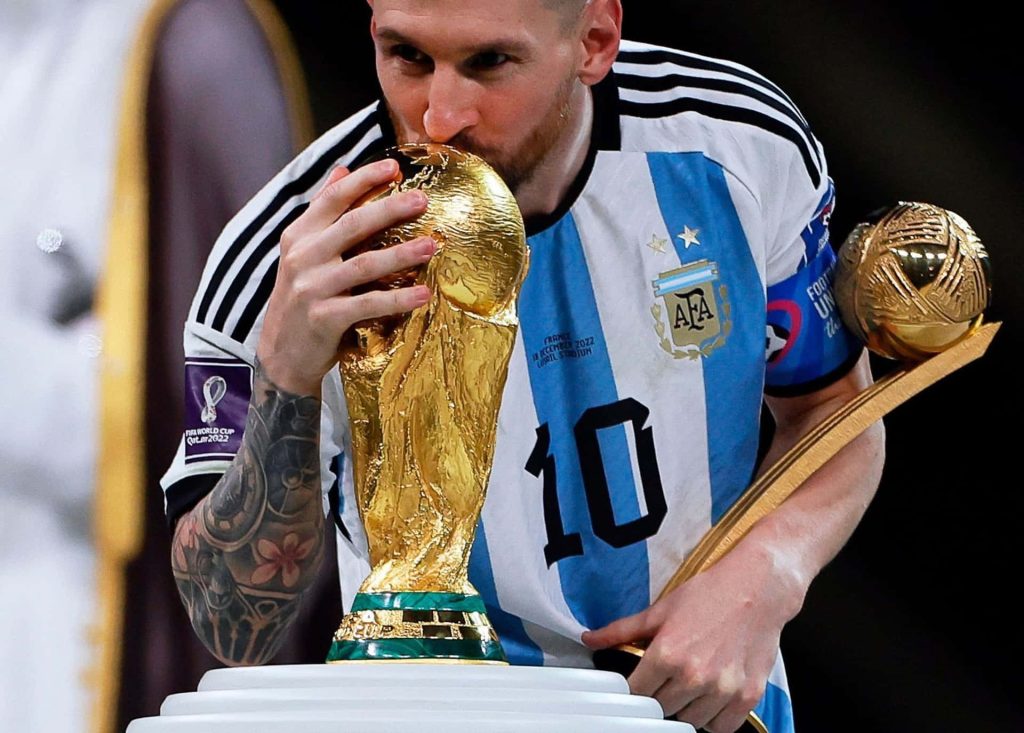
Messi now has 13 World Cup goals over several tournaments, ranking among the top scorers in competition history. He is also one of the closest active players to breaking Klose’s record.
5. Just Fontaine (France) scored 13 goals.
A discussion of World Cup goalscoring records is incomplete without discussing Just Fontaine.
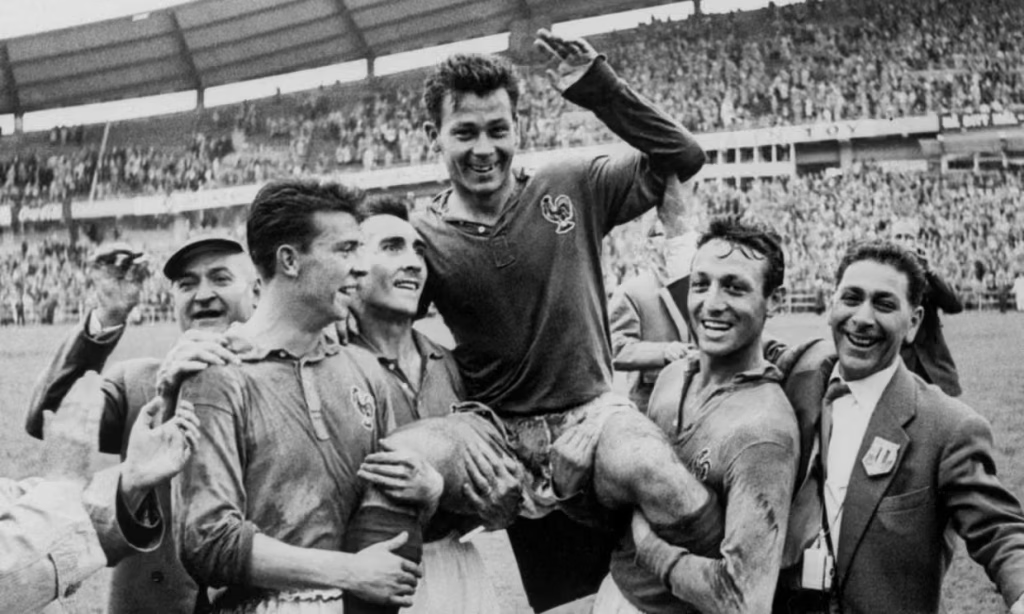
What Fontaine accomplished in 1958 is still considered one of football’s most spectacular achievements. In just six World Cup appearances, he scored 13 goals.
To put that accomplishment in context, many legendary players spent four or five World Cups attempting to reach that total. Fontaine did this in one tournament.
His record for the most goals in a single World Cup stands more than six decades later, making it one of the most unbreakable records in football history.
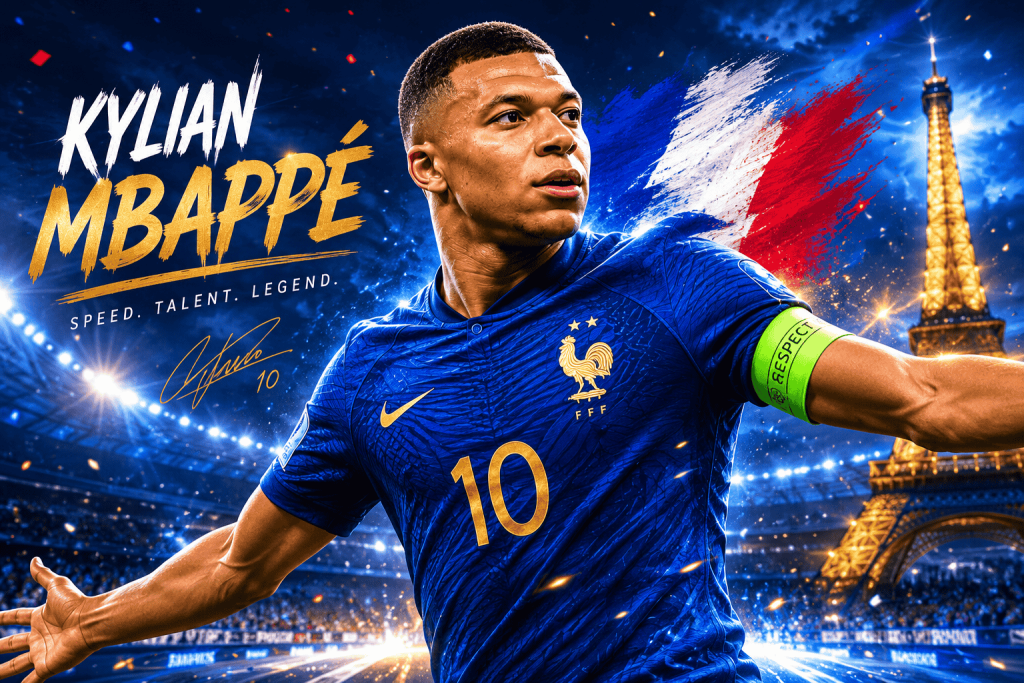
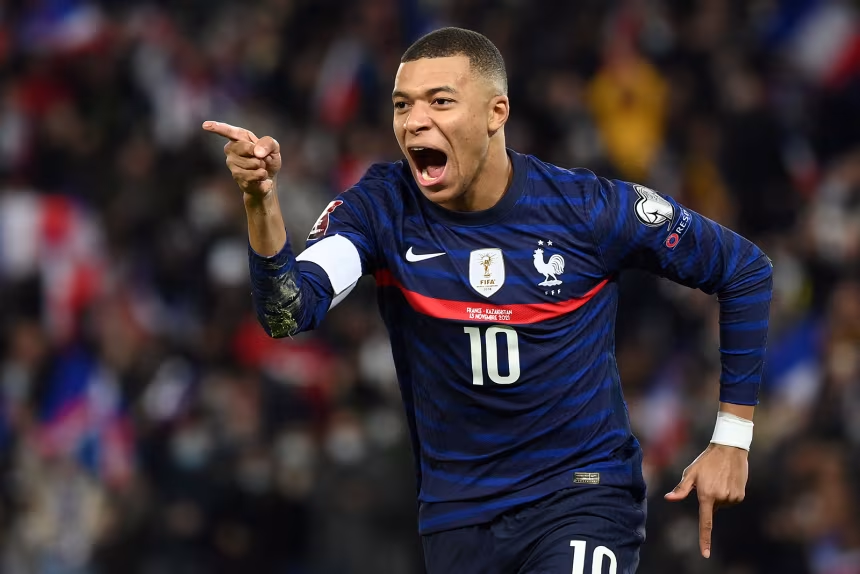
6. Kylian Mbappé (France): 12 Goals and Climbing
If there is one player capable of beating Klose’s all-time record, it may be Kylian Mbappé.
Despite being in the early phases of his international career, the French superstar has already scored 12 goals in the World Cup. His results in the 2018 and 2022 tournaments were remarkable.
Perhaps his most noteworthy achievement occurred in the 2022 World Cup Final, when he scored an incredible hat-trick against Argentina. Despite the fact that France lost the match, Mbappé’s performance has become legendary in football.
With the larger 48-team format potentially opening up more scoring opportunities in future tournaments, many experts believe Mbappé has a serious chance of breaking Klose’s record.
7. Pelé (Brazil) – 12 goals
Pelé’s significance in football history goes far beyond numbers, yet his World Cup record remains unparalleled.
The Brazilian icon scored 12 World Cup goals in four tournaments, helping Brazil win three trophies. Few players have had a greater impact on international football.
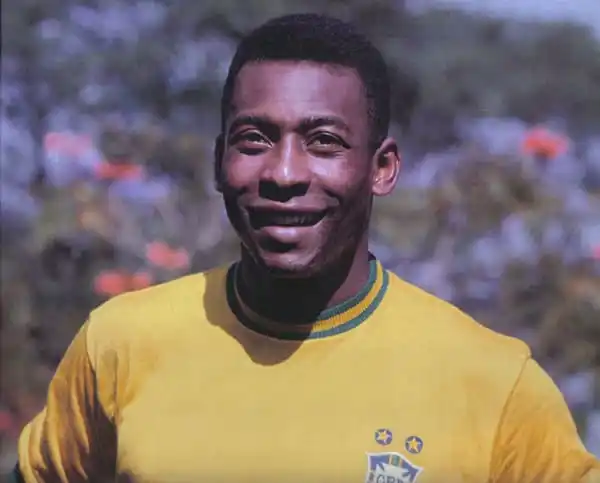
His performances in 1958 introduced the world to a teenage genius, and his talents in 1970 helped construct one of the greatest football teams in history.
Many of Pelé’s goals came in the most important situations, including World Cup finals, cementing his reputation as a player who thrived under pressure.
Can someone break Klose’s record?
Records in sports are designed to be broken, and Klose’s total of 16 goals is no exception.
Lionel Messi has already scored 13 goals, while Mbappé has 12 and could yet play in numerous events. The enlarged World Cup format may also provide more scoring opportunities for future stars as nations play more matches on their way to the final.
Football fans often discuss who is most likely to shatter the record. Mbappé is frequently cited as the strongest possibility in community conversations because to his age, scoring rate, and France’s sustained international competitiveness.
The Top World Cup Goalscorers of All Time
While statistics convey part of the tale, the actual magnificence of these athletes is reflected in the moments they created. Whether it was Ronaldo’s redemption in 2002, Klose’s record-breaking goal in Brazil, Fontaine’s incredible 1958 tournament, or Messi’s victory in Qatar, each player left an indelible mark on World Cup history.
Their goals did more than just affect games; they influenced football history.
Conclusion
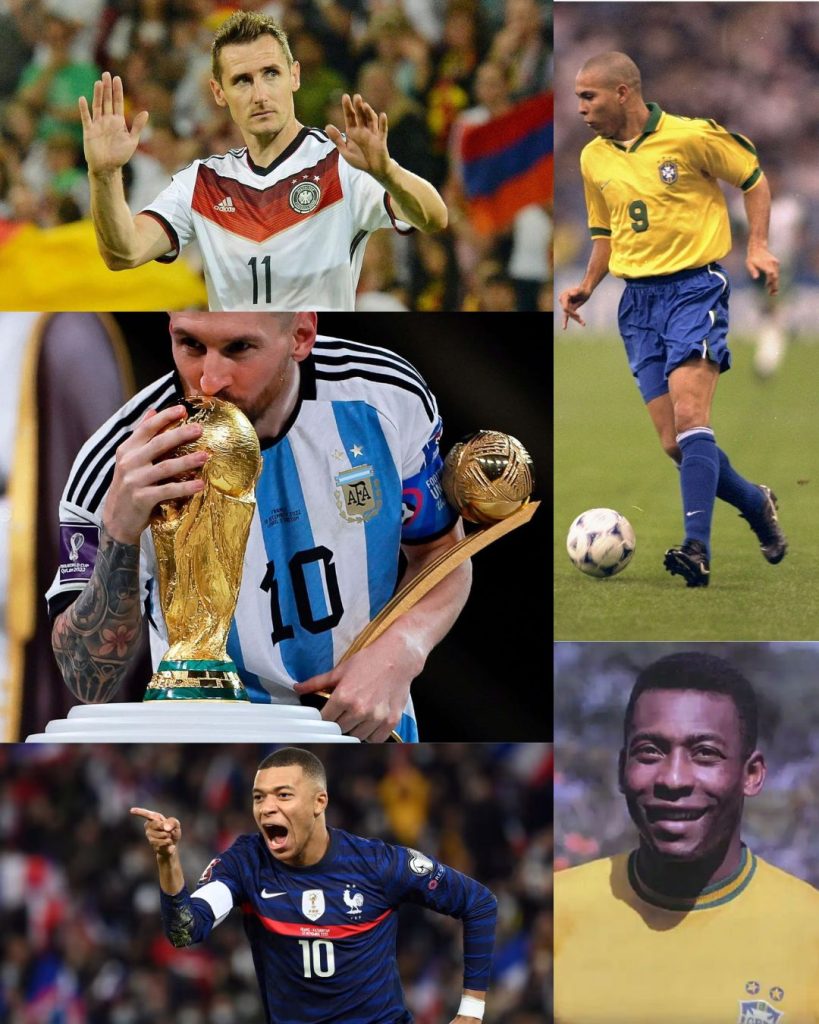
The FIFA World Cup has spawned innumerable legends, but only a select few have earned a position among the tournament’s greatest goal scorers. Miroslav Klose remains the top scorer with 16 goals, followed by Ronaldo, Gerd Müller, Lionel Messi, Just Fontaine, Kylian Mbappé, and Pelé.
As the World Cup 2026 approaches, football fans throughout the world will once again witness history unfold. New stars will emerge, records will be broken, and another player may begin his road to join football’s most elite scoring club.
Until then, the names at the top of the World Cup scoring chart represent excellence on football’s biggest stage.